
Diviniti India - Product Design Intern
Redefining Design
A design journey about how my understanding of design evolved from creating visuals to designing systems.
June 2025 — Present (3 months break for Vodafone Idea)
Product Design • Visual Design • Ecommerce • AI • Information Architecture
A Different Definition
When I joined Diviniti, I thought I understood what design was.
To me, good design meant creating beautiful visuals. The kind that captured attention, looked polished, and felt premium.
That belief wasn't unusual. Most of my experience until then had been shaped by screens, layouts, typography, and imagery. Design was something you could see.
Diviniti challenged that assumption almost immediately.
The further I went, the less design seemed to be about creating artifacts.
It became a way of understanding how information moves, how decisions are made, how systems connect, and how people experience a business as a whole.
This journey is not about a website launch, a brand redesign, or a single product. It is about how my definition of design evolved. Over the following year, I worked across websites, luxury brands, AI systems, ecommerce operations, product data, and internal business processes. With every project, the problems became less visual and more structural.
01 Pixels
Design influences perception.
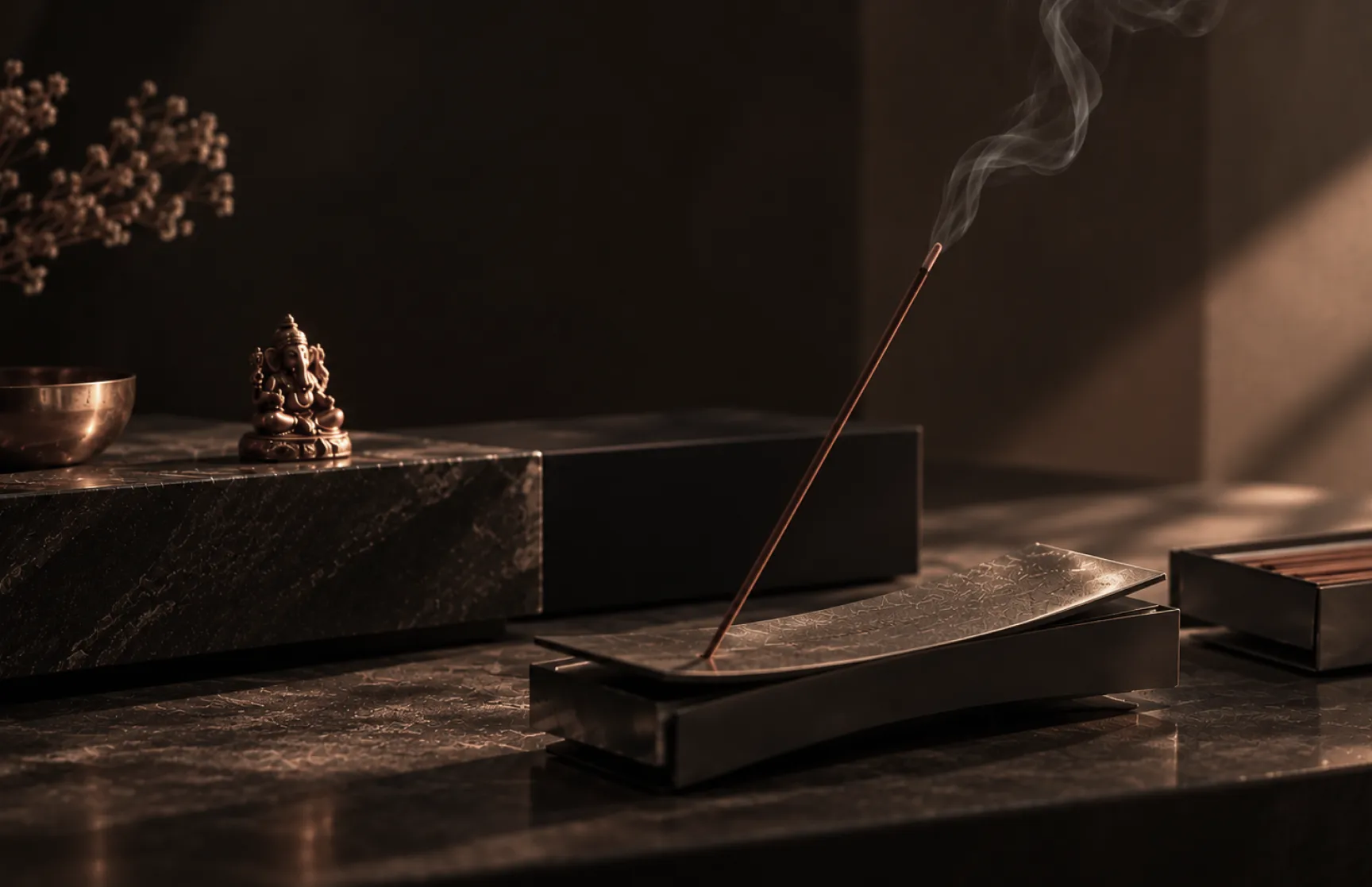
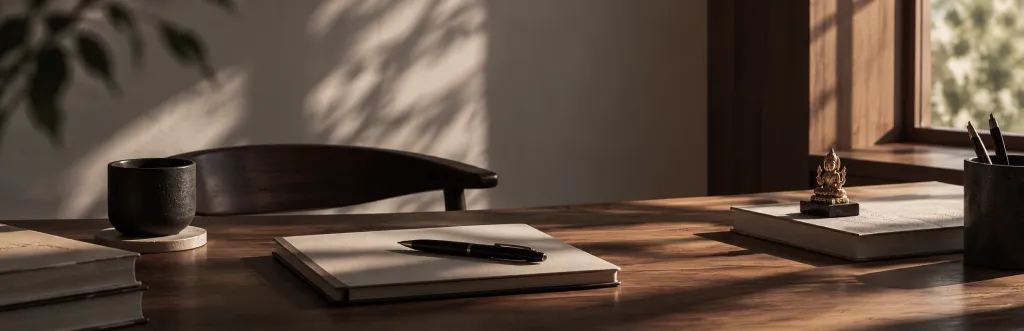
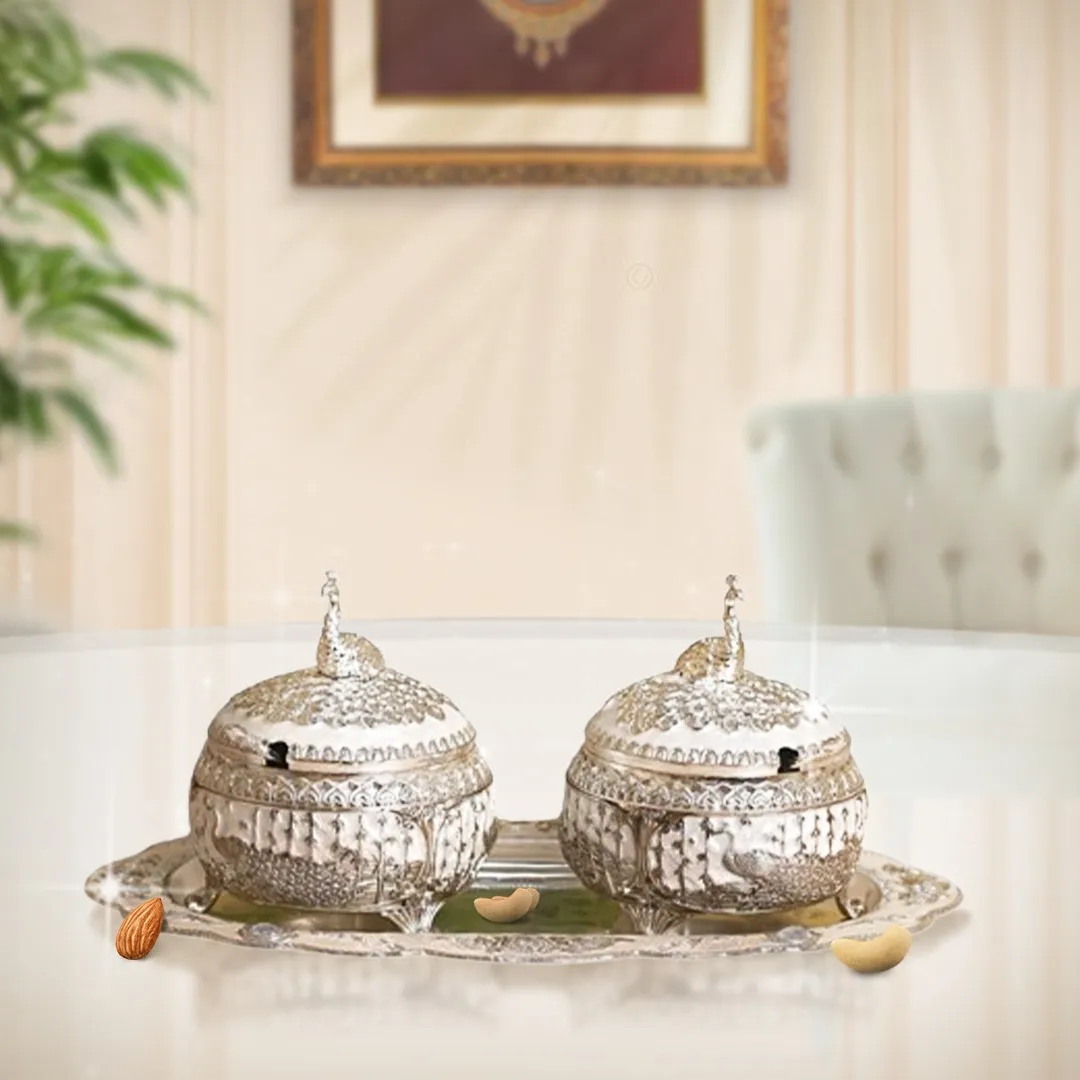
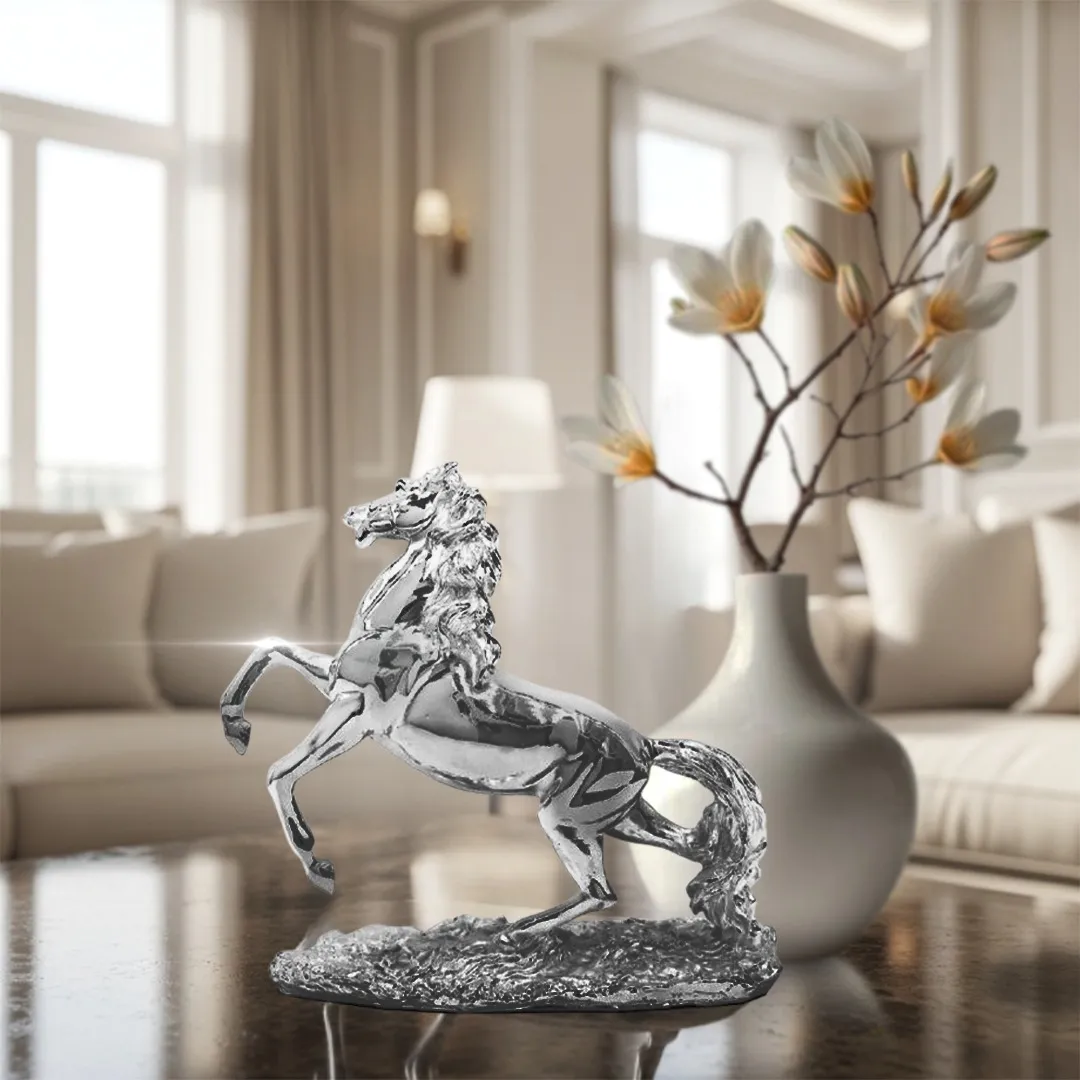
My first months at Diviniti were spent creating visuals. Not websites. Not products. Just images. I became obsessed with details that most people never consciously notice. Light. Materials. Texture. Composition.
This was before Ai became main stream, so every element, every light source had to be put in by hand. The surprising part was how dramatically those details changed the way a product was perceived.
The product remained the same.
Only the presentation changed.
That was my first lesson.
Perception is designed.
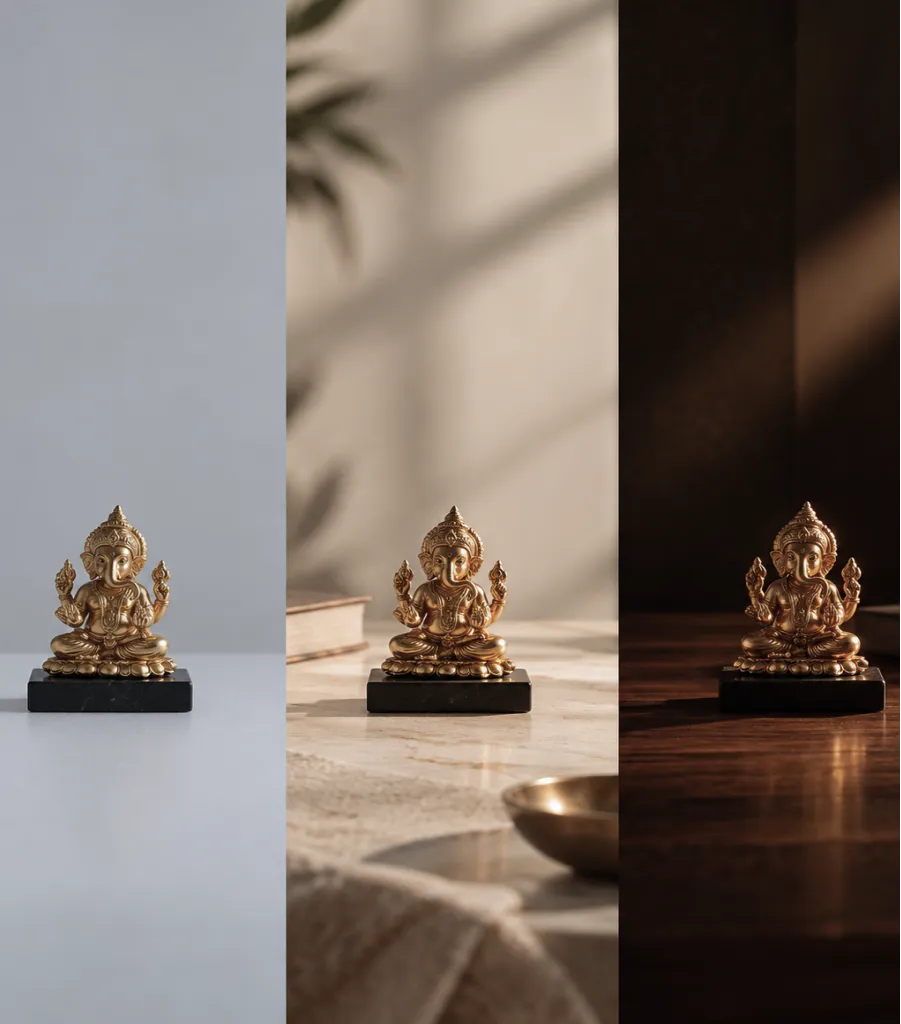
Early Works
Gen AI wasn’t very accurate in product depiction in mid 2025. So I had to create each and every element of the image by hand.
The walls, lights, effects, shadows, reflections you see in the images on the left, all were done through hand.
02 Screens
Design influences decisions.
As my work expanded from visuals to ecommerce, I began seeing a different side of design. A beautiful interface could attract attention.
It couldn't create trust.
Customers needed context. They needed reassurance. They needed enough information to feel confident in a decision.
The more I worked on websites and customer journeys, the more obvious this became. People weren't evaluating pixels. They were evaluating risk.
That changed the way I thought about design. Design wasn't just shaping perception anymore.
It was helping people make decisions
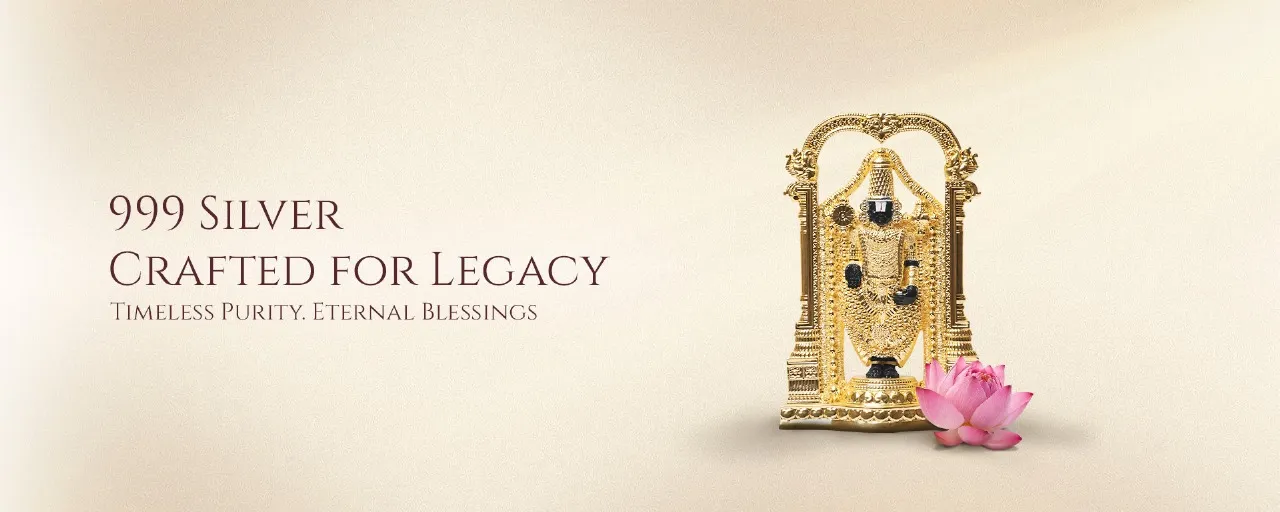
Portrait on Gold
This is where my first real project comes in. Diviniti had over 5000+ SKU’s with several categories spread across spiritual and corporate gifting.
Portrait on Gold was a completely different product, serving a completely different audience. The average price of a piece comes at Rs. 1 Lakh (Diviniti Averages at Rs. 2000).
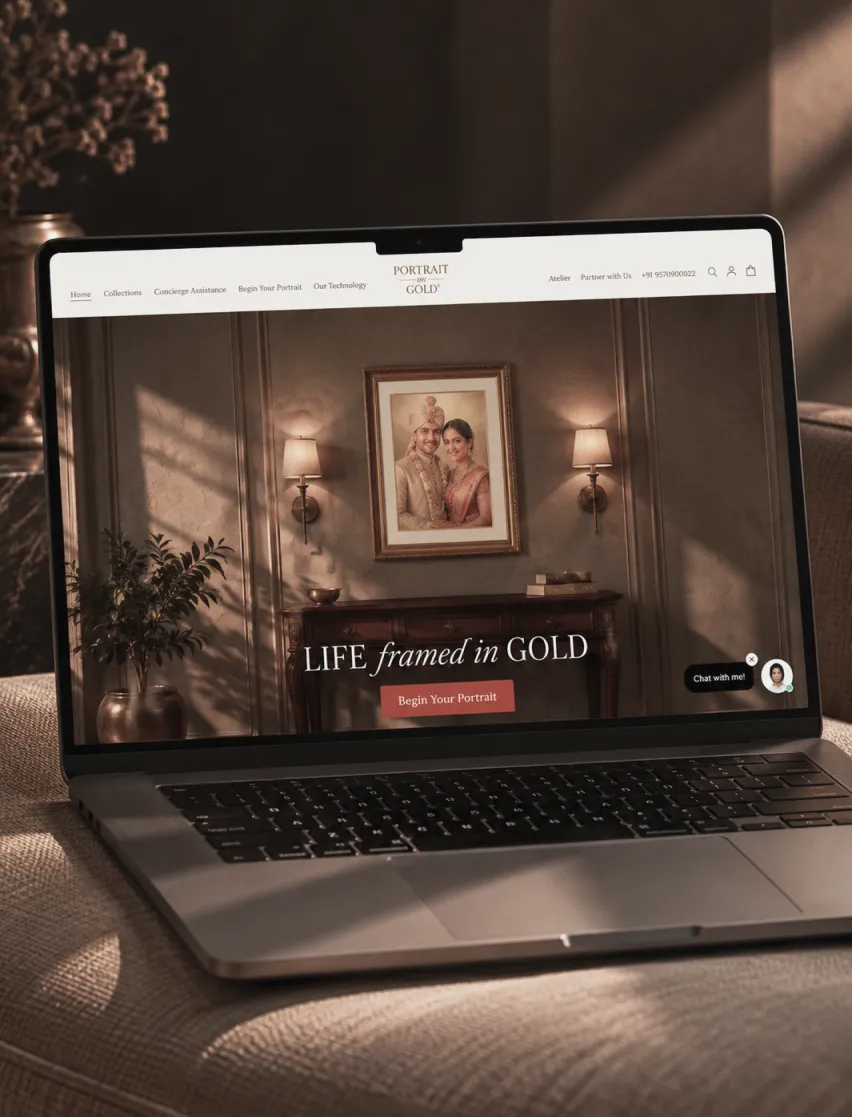
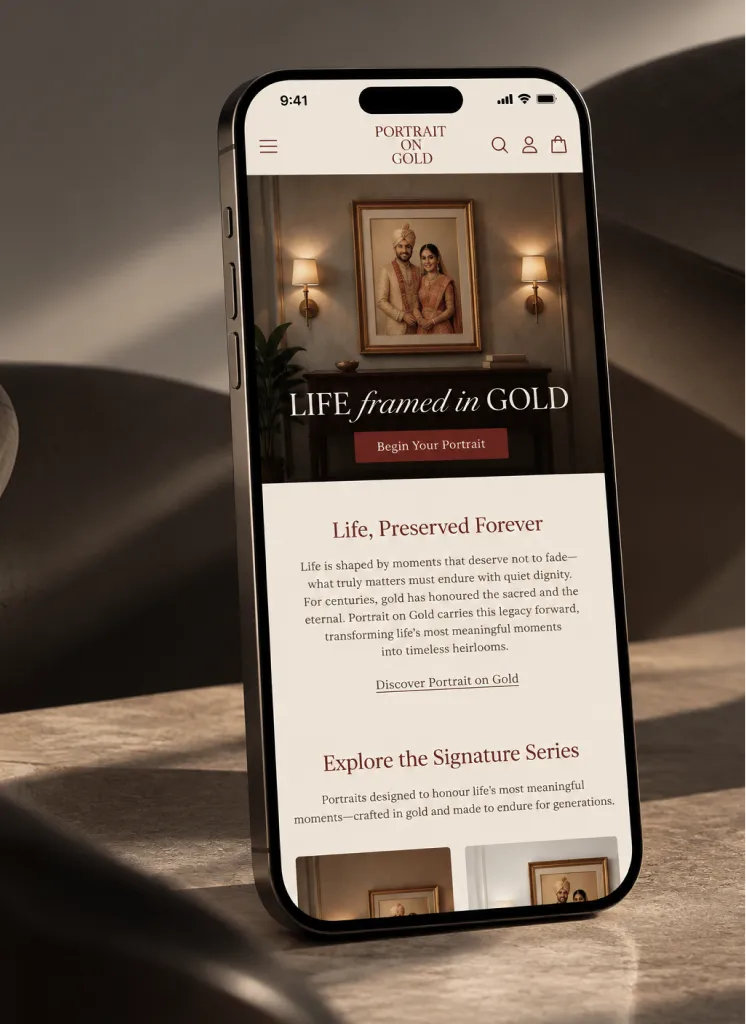
So to give it a home, Portrait on Gold™ was launched. And I was given the task to make it live, from its visual direction to its Ui/Ux for website.
Visuals
The visuals had to be clean, show the product in settings that brings out emotions, to make you trust a 1 Lakh Rs. product.
The biggest thing I got to know was aspiration. How people aspire to be something better than they are today. And to design around that, gave the highest return.
Learnings and Outcomes
Earlier I believed that websites revolved around visuals. But by this time, I started to understand the real use of UX in design.
To sell luxury, you can’t follow the guidelines you have seen till now. Luxury doesn’t shout, it is subtle, it is informative and it is authoritative.
The visuals, the Ui and the Ux should be worth the price the customer pays.
It doesn’t optimize for speed as in a SAAS, it doesn’t fill you with discounts as in Amazon or Flipkart.
It brings you in slowly, guides you, builds your trust, and helps you make the right decision.
Product Design
This marked my first interaction with product design in a large organization. I learnt e-commerce design wasn’t just about pretty visuals on the landing page. It meant every page, every feature revolved around the product.
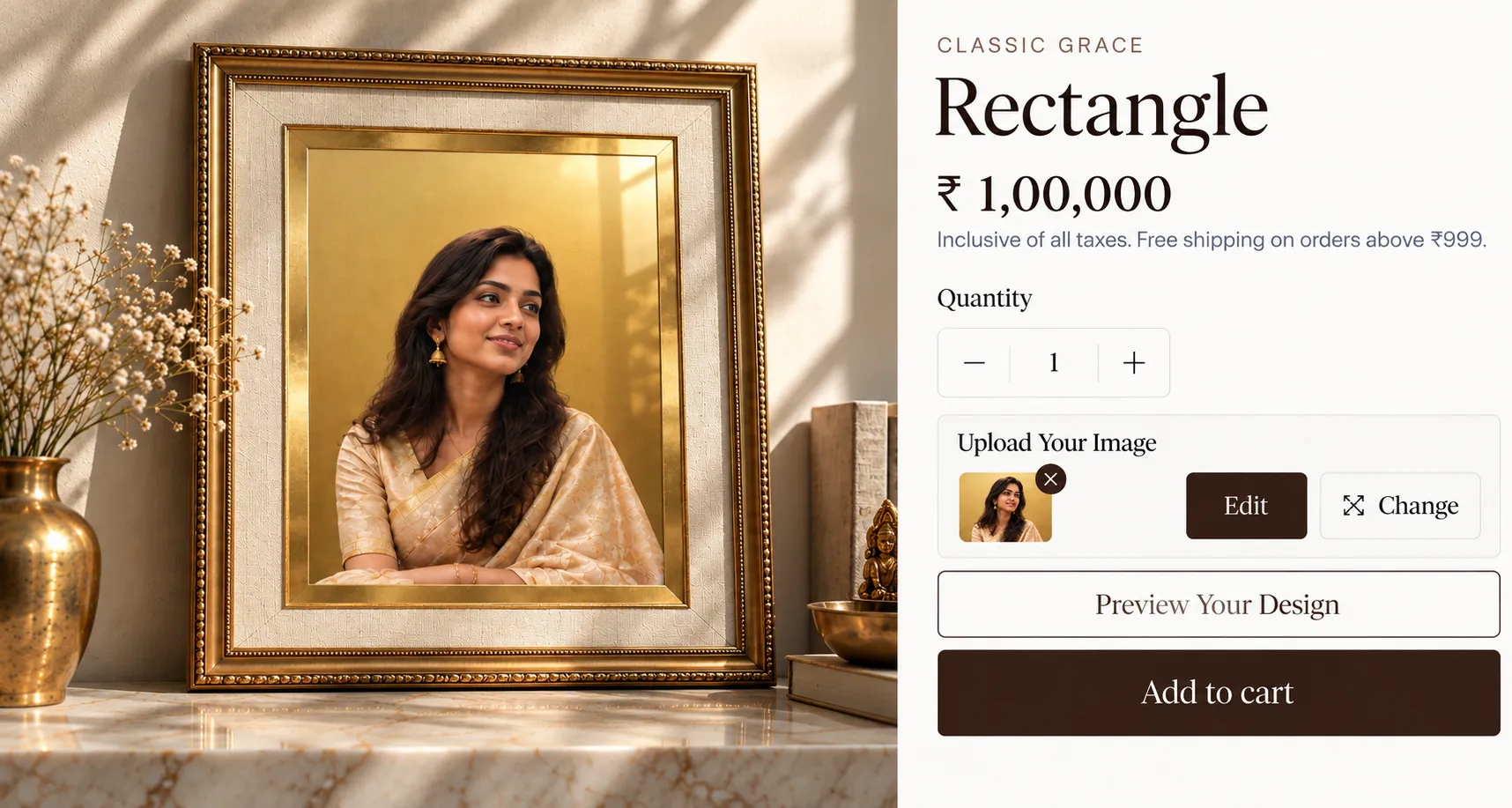
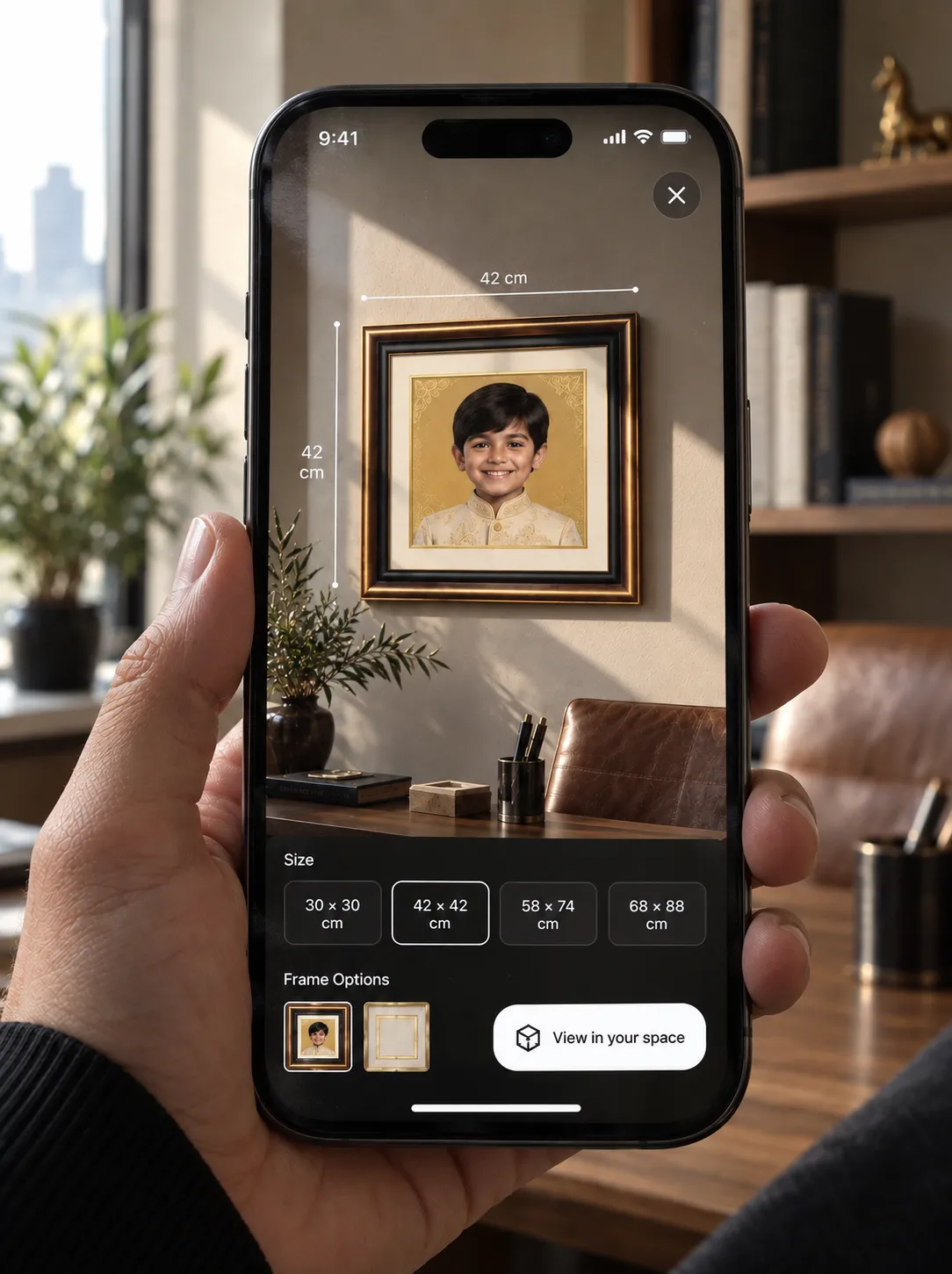
- Checkout Flow - A custom checkout flow was designed, that enabled the user to upload their portraits, and preview the final product before paying a single rupee.
- Augmented Reality - AR features were enabled in all products so that the users can view their product live in their homes.
03 Intelligence
Design influences interactions.
My introduction to AI began with a simple question.
What happens when software can participate in the customer experience?
I started experimenting with chatbots, automation, and AI-assisted workflows. Some worked. Some didn't.
What interested me wasn't the technology itself. It was the role it played. The goal wasn't to replace people. The goal was to remove friction. The more I worked with AI, the more I realized that technology is most valuable when it handles routine interactions and leaves meaningful moments to humans. A good experience wasn't created by AI or people alone. It emerged from the way both worked together.
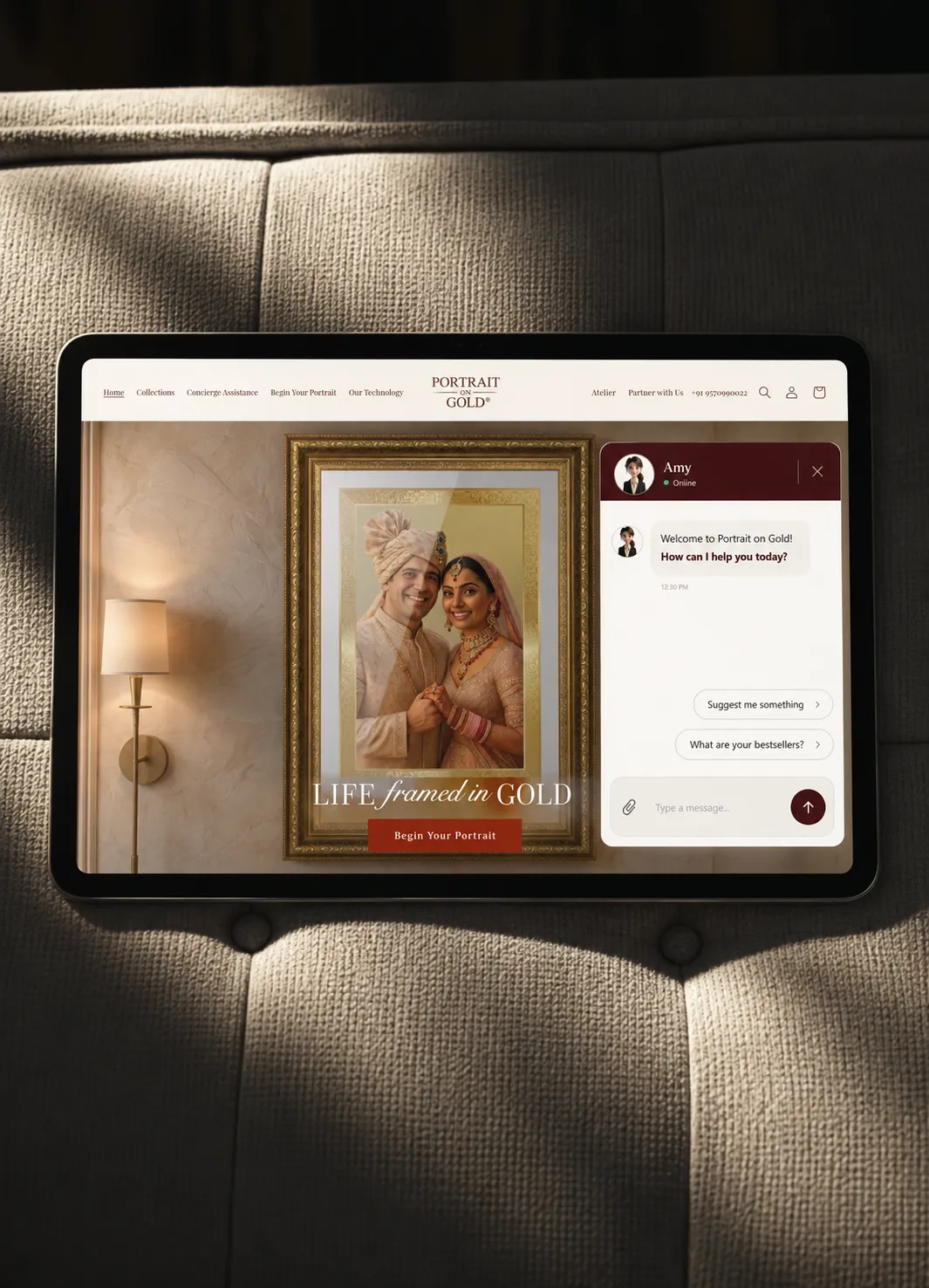
Chatbot Amy, built using python and OpenAI API that handles customer enquiries, shipment, product recommendation and a lot more.
04 Systems
Design influences organizations.
As I spent more time inside the business, I found myself looking beyond products and screens.
I began understanding how orders were fulfilled, how products were manufactured, how customer support operated, and how decisions moved through the company. What surprised me was how connected everything was.
A customer never experiences marketing, sales, operations, and support as separate functions.
They experience one company.
Every interaction is shaped by systems most customers never see. The further I looked, the harder it became to separate design from the organization itself.
05 Data
Design influences information.
The biggest shift in my thinking didn't come from a website, a brand, or an AI tool. It came from product data.
As Diviniti began preparing for AI-powered commerce, the conversation moved away from interfaces and towards information. Product structures, databases, taxonomy, SKU architecture, and a single source of truth became the focus.
At first, none of it felt like design. There were no screens to improve and no visuals to refine. Yet many of the problems we were trying to solve originated here.
Products that were difficult to find. Information that was inconsistent. Systems that couldn't scale. I realized that some of the most important design decisions never appear on a screen. They exist in the way information is organized.
06 Platforms
Design influences systems.
By this point, the boundaries between design, technology, operations, and information had started to blur. The challenge was no longer creating a better page or a better flow. It was creating systems that could support many experiences at once. A product database could power a website.
The same information could feed marketplaces, internal tools, customer support, and increasingly, AI systems.
The more connected these systems became, the less important individual interfaces felt. What mattered was the structure beneath them.
The interface was only one expression of a much larger system.
That was the final shift.
Design was no longer about creating artifacts.
It was about creating foundations that could scale.
Epilogue
Redefining Design
When I joined Diviniti, I saw design as the act of creating.
Creating visuals.
Creating interfaces.
Creating experiences.
Over time, that definition became difficult to sustain.
The problems that shaped my thinking were rarely visual.
They lived inside customer journeys, business operations, product structures, and information systems.
The further I moved from the surface, the more I realized that design was never limited to what people see.
It exists in the decisions that shape how people, products, information, and technology work together.
This journey began with pixels.
It ended with systems.
Design did not become bigger.
My definition of it did.