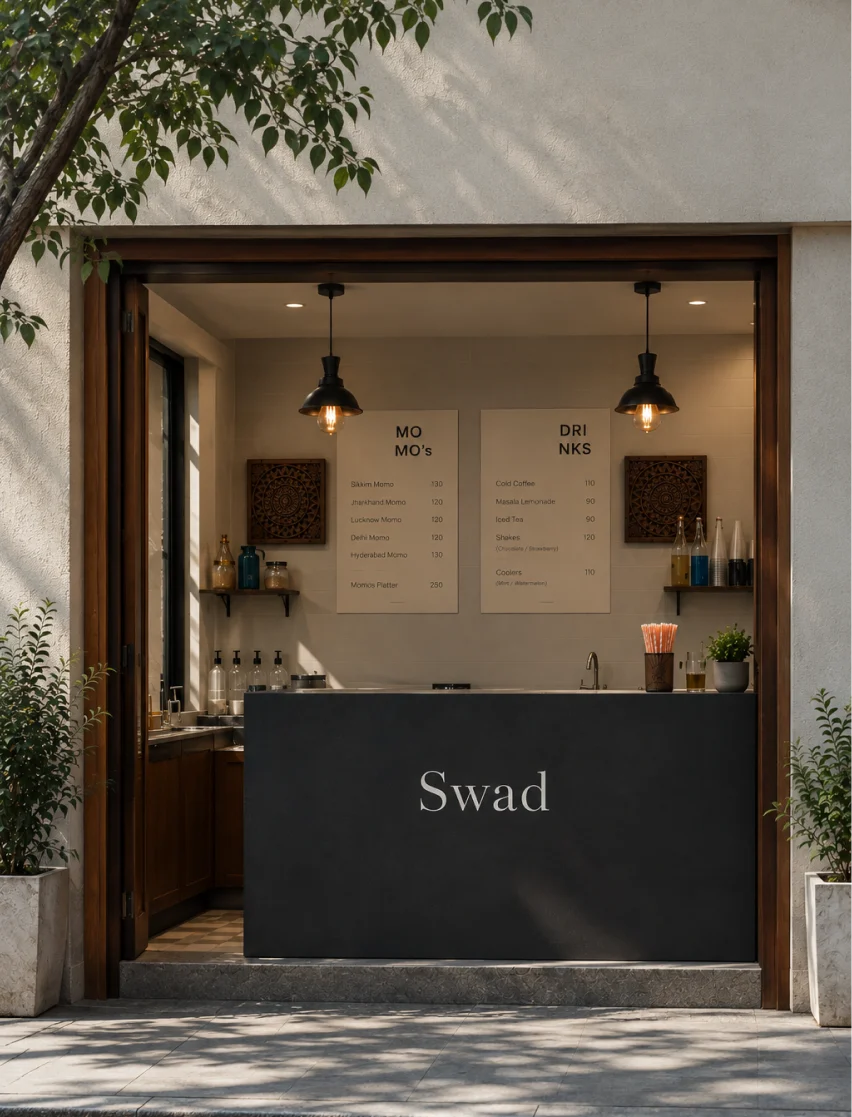

Swad: How a Momo Café That Couldn't Make Rent Found Its Regulars
In December 2025, Swad served one or two customers a day and lost ₹10,000 a month. It sits on a quiet residential lane in Ranchi, where nobody wanders past by accident. Three months later it was serving twenty a day, eight in ten were coming back, and it cleared ₹20,000 in profit.
The street didn't change. What changed was what Swad promised its customers, and whether it kept that promise every day.
Role
Timeline
Product manager, owning strategy, P&L, roadmap and launch
January 2026 to present
Team
Location
Rushikesh Pawar (interior design partner), the kitchen staff, and the family who own the café
Ranchi, Jharkhand
01
In short
Swad didn't have an awareness problem. It had a trust problem.
People noticed the café, walked in, and still left without ordering, because they couldn't count on it being open, fresh, or the same as last time.
So I stopped trying to out-stock a market of 50 shops. I cut the menu to nine items built around momos, rebuilt every recipe so it didn't need a skilled cook, and fixed the basics customers had stopped believing in. The result was a ₹30,000 swing in monthly profit, which pays back the ₹2 lakh relaunch in about seven months.
DECEMBER 2025 → JUNE 2026
20
Customers per day
from 1–2
+₹20,000
Monthly profit
from −₹10,000
80%
30-day repeat rate
from 10%
₹139
Average order value
from ₹67.50
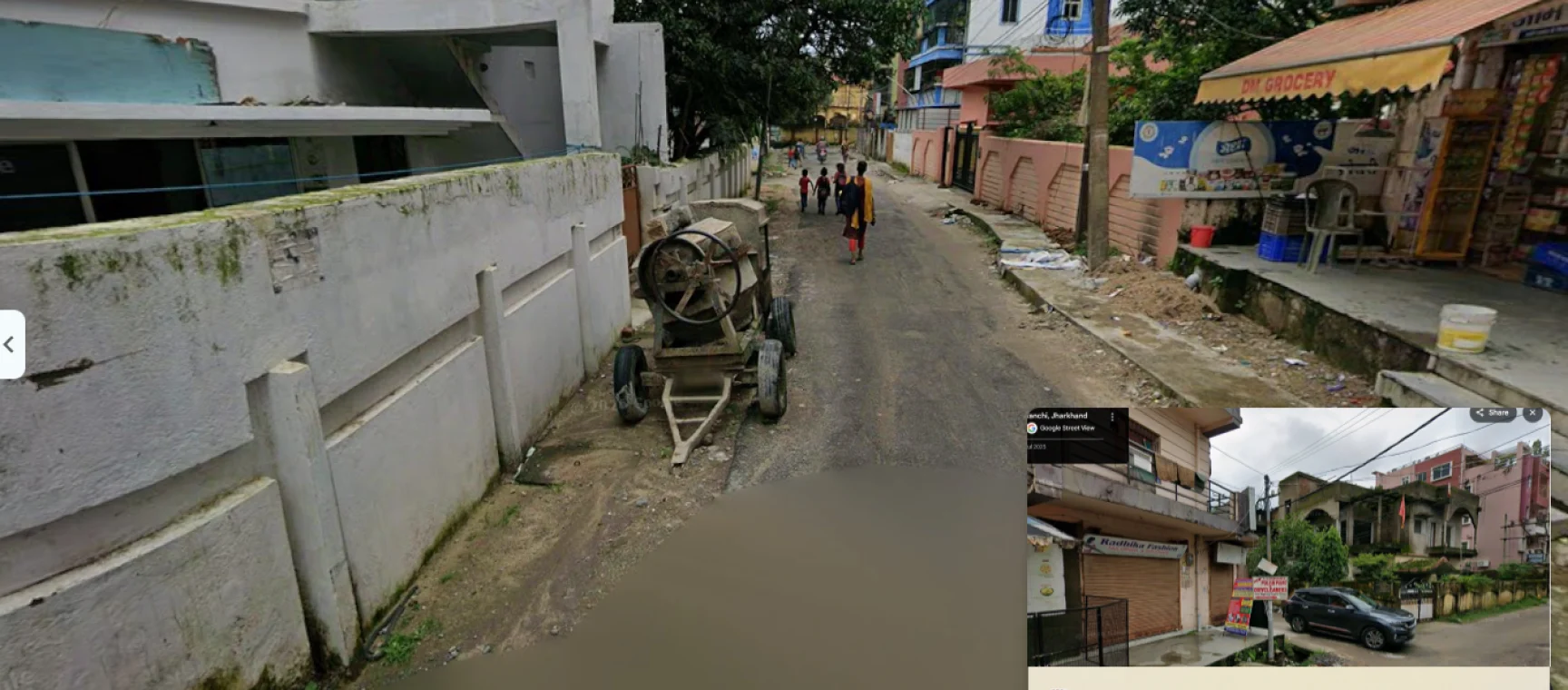
Fig. 1 Swad sits on a residential lane, not a market street. Nobody walks past it by accident.
02
Where Swad stood
Three facts shaped every decision that followed.
01
Nobody discovers Swad.
It's on a residential lane, not a market street. The only people who pass are neighbours, and they pass every day. A café like this lives or dies on whether those same people come back.
02
Good cooks don't stay.
Ranchi's café kitchens hire from a small pool with high turnover. Any plan that depended on one talented cook would collapse the week that cook left.
03
The money was real.
The café belongs to my family. The relaunch had a fixed budget of ₹2,00,000 and no investor behind it, so every rupee had to come back out of the till.
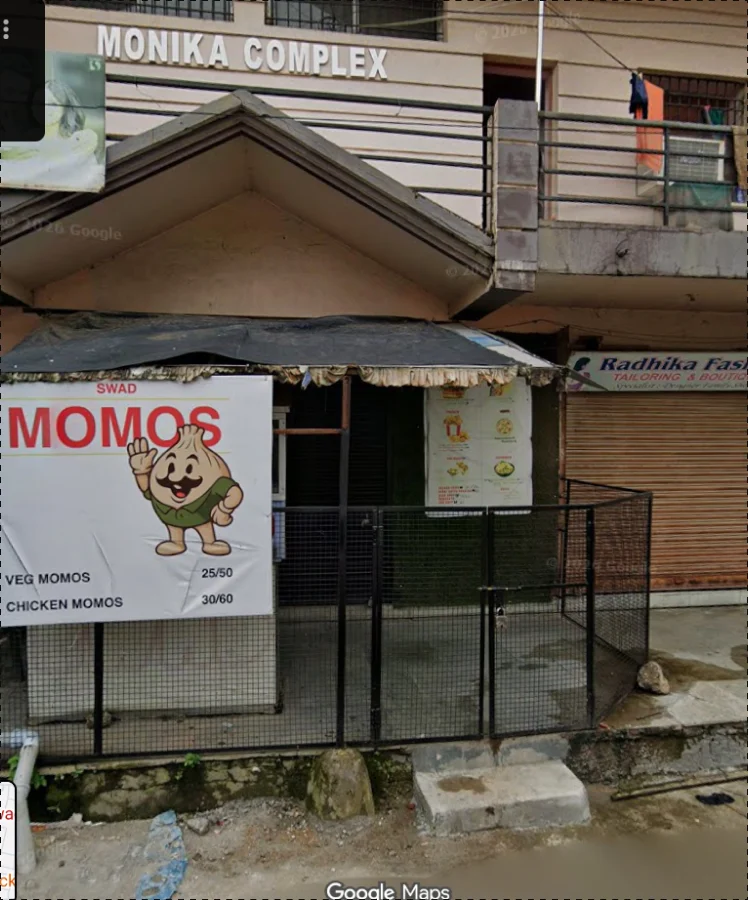
Fig. 2 Swad in December 2025. From the street, it didn’t look like a café.
A café like this lives or dies on whether those same people come back.
₹2,00,000
Fixed relaunch budget, with no investor behind it
03
What I set out to move
These are the numbers I chose to judge the relaunch by.
NORTH STAR
50%
30-day repeat rate
On a lane with no passing trade, regulars are the business.
₹10,000
Monthly operating profit
The café had to stop losing money.
80%
Walk-in to order conversion
This was where most customers were leaking.
GUARDRAILS: THINGS THAT COULDN’T BREAK ALONG THE WAY
≤20%
Food cost per plate
Growth couldn't come from cutting prices.
Pass
Same taste whoever cooks
Inconsistency was the core complaint.
04
Finding the leak
Over January and February I ran 60 observation sessions outside the café, held 100 one-on-one conversations, and walked through 50 competing food shops nearby.
60
Observation sessions outside the café
100
One-on-one conversations
50
Competing food shops walked through
What the footfall showed
The funnel holds two separate problems. Most people who noticed Swad never came in, because from the street it didn't look like a café. But the bigger loss came after that. People who had already walked in, seen the menu and looked around still left without ordering. Signage couldn't fix that. Something inside was telling them not to trust the place.
IN AN AVERAGE SESSION
300
Walked past
Everyone on the lane
180
Noticed the café
60% of passers-by
20
Walked in
11% of those who noticed
1–2
Ordered
5–10% of walk-ins
What people said
I talked to walk-ins, passers-by and staff. Four answers came up again and again.
40
people
“They liked the food”
Nothing to fix. This was the base to build on.
30
people
“Swad didn't have what they wanted”
Something quick to grab, or something spicier.
20
people
“The food wasn't fresh”
No inventory system. Stock was bought in bulk and used past its best.
10
people
“They never knew if it would be open”
No fixed hours.
Even the 40 who liked the food rarely came back. They told me why: the taste, the portion and even the menu changed from one visit to the next.
What the competition showed
The nearby market had proper seating, fast service, menus of 40 items or more, and momo plates for ₹80. Almost a third of its stalls sold momos. Swad couldn't win on menu size, and it couldn't win on price.
40+
Items on a typical market menu
₹80
A momo plate at the market
1 in 3
Market stalls selling momos
WHAT IT ADDED UP TO
I couldn't offer more variety than an entire market. I could be more reliable than it.
Six in ten passers-by already noticed Swad, so awareness wasn't the problem. Trust was. From the street, people couldn't tell what Swad was. Once they had tried it, they couldn't count on it being open, fresh, or the same as last time.
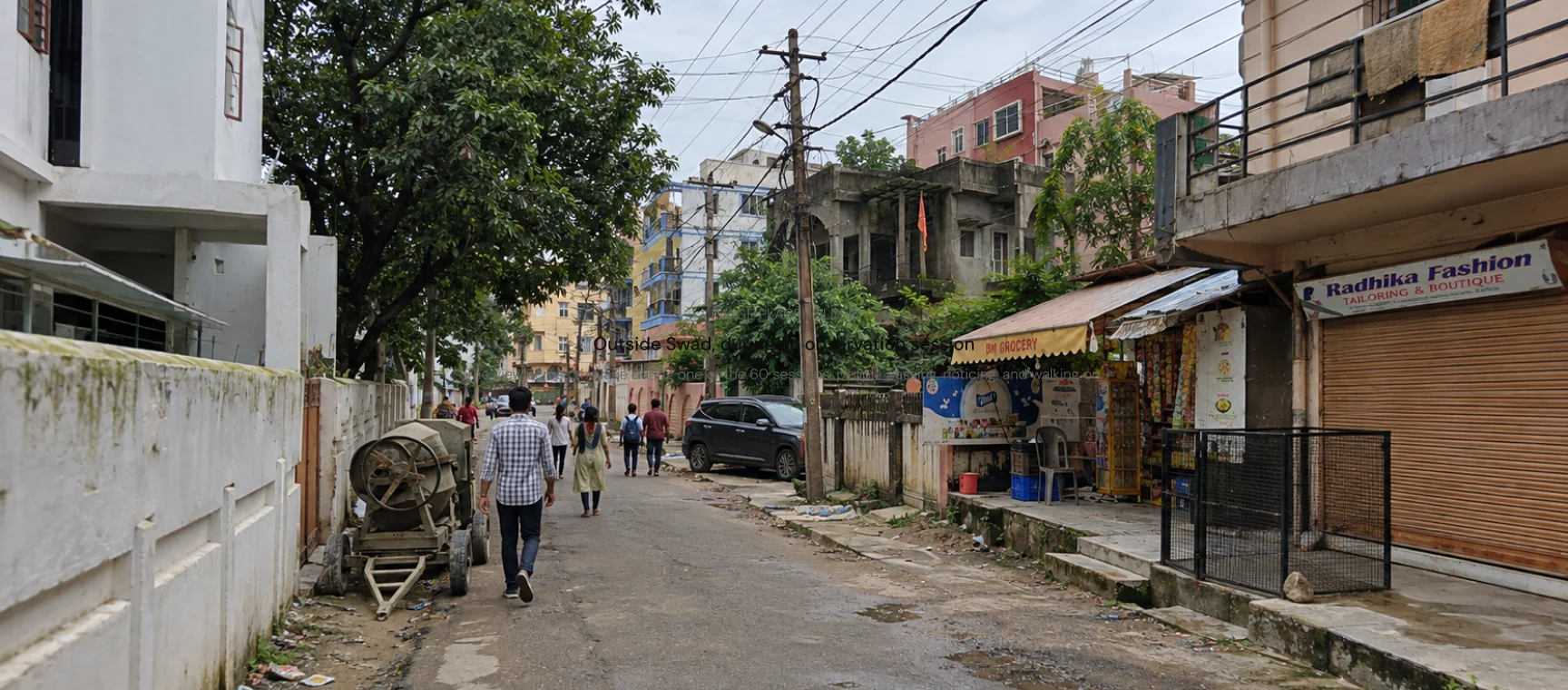
Fig. 3 Sixty sessions like this one built the funnel above.
05
Choosing one bet
With ₹2 lakh and a two-person core team, I could afford one real bet. These were the options.
No
Grow the menu to match the market
Would fix: The 30 people who couldn't find what they wanted
More dishes means more stock sitting around, which hurts freshness, and more skill in the kitchen, which hurts consistency. It would answer one complaint by making two others worse, and Swad would still be outnumbered by 50 shops.
No
Discounts and offers
Would fix: Getting more people to try it
The first problem was trust, not price. Discounts would bring in one-time bargain hunters and break the food-cost limit.
Not on its own
Refresh the storefront and interior only
Would fix: People noticing Swad but not walking in
It fixes the smaller leak and leaves taste, freshness and hours exactly as they were.
The bet
Narrow the menu and make it reliable
Would fix: People leaving without ordering, stale food, erratic hours, repeat visits
A small menu built on the dish Ranchi already buys most, made reliable through systems instead of skilled staff, with a storefront that finally says what Swad is.
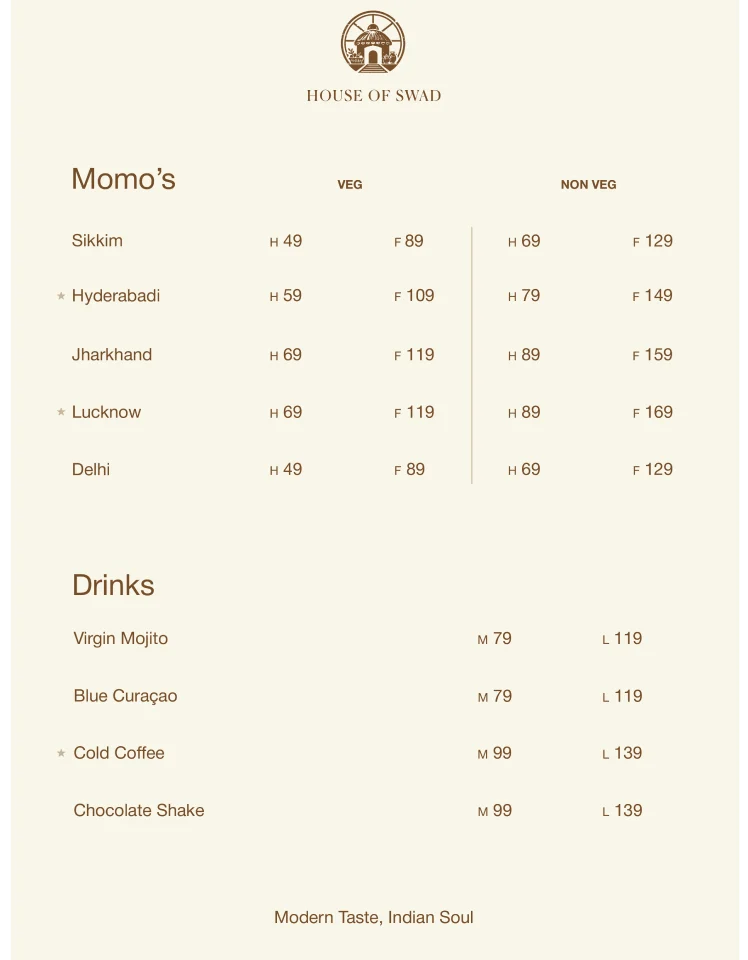
Fig. 4 From more than 30 items to nine.
The trade-off I had to defend
Thirty people told me Swad didn't have what they wanted, and my answer was to cut the menu from more than 30 items to nine. On paper, that looks like ignoring them.
Mostly they wanted choice, not a particular dish Swad was missing.
So I went back and asked what they meant. Five styles of momo, running from mild to properly hot, give a group of four friends something each without adding a single new ingredient to the store room. I accepted that people who wanted a full multi-cuisine menu would keep going to the market, which serves them better anyway.
The bet held after launch. Customers turned out to want something they couldn't get anywhere else more than they wanted the same plate every stall already sold.
What went first
I ordered the work by which leak it closed and how cheaply it could ship. The cheapest fixes went first; the most expensive went last.
Fix
What it addressed and effort
Why then
1
Fixed opening hours, posted on the door and on Google Maps
“Never sure it’s open”

Very low effort
Free, same-day, and it removes a reason never to try again.
2
Daily prep quantities, oldest stock used first
Stale food
Low effort
Nothing else matters if the food isn't fresh.
3
Standard recipes, premixes and written procedures
Inconsistency, walk-outs
Medium effort
The core bet. It had to work before relaunch.
4
The nine-item menu
“Nothing I want”, too many choices
Medium effort
Only list what the system can make the same way every time.
5
Interior and signage
Passers-by not walking in
High effort
The most expensive fix went last, once the food was worth walking in for.
06
What we built
A menu that decides for you
Momos were already the best-selling food in the area, so I made them Swad’s whole identity. Five regional styles and four drinks, with the five styles on a single line from mild to hot.
A first-timer can choose in two seconds instead of reading through 30 items. And a regular always has a next step, “try the one hotter”, so they can explore without going anywhere else.
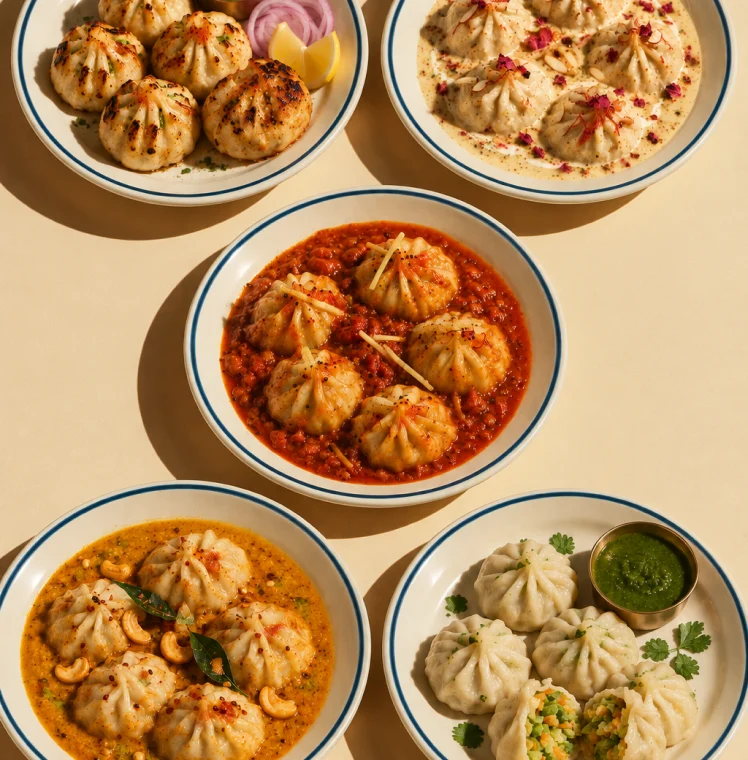
Fig. 5 The five styles, mild to hot. Plus four drinks: nine items in all.
MILD
HOT ↓

Lucknow
Creamy, the mildest

Sikkim
Clean and traditional

Jharkhandi
Rustic, our own

Delhi
Buttery street food

Hyderabadi
The hottest, in gravy
Five spice blends of my own
When every stall nearby sells a similar ₹80 plate, a fifth momo stall needs a reason to exist. I created a spice blend for each style. None of them is a packet masala or a copy of a regional recipe.
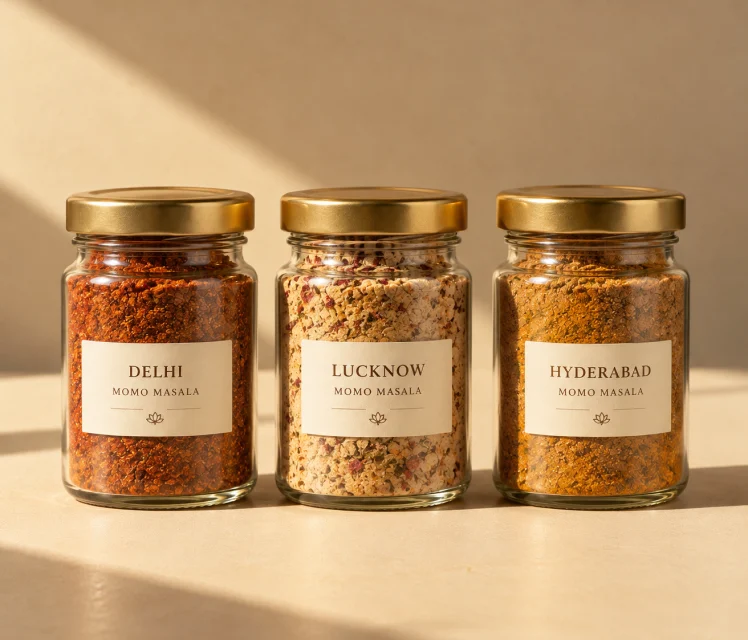
Fig. 6 Each blend is mixed in batches and measured by the spoon.
The blends carry most of the strategy. They answer the interview requests for “something spicier” and “something new” without adding a dish to the menu. They’re mixed in batches and measured by the spoon, so the flavour is fixed at prep time, not by whoever is at the stove. And a rival can copy a menu or a price in a week. Five original blends take far longer to copy.
Cost shaped the recipes too. The first Lucknow gravy used cashews and cream and cost ₹60 a plate, 40% of a ₹149 price. Soaked seeds and well-whisked curd kept the flavour and brought the cost down to ₹24, or 16%.
Getting them right took repetition. Lucknow and Hyderabadi needed around 80 test batches between them, and Delhi took 30. Jharkhandi came quickly because it’s the food I grew up with, and Sikkim stays close to the traditional taste.
The tasters were neighbours, family, friends and old customers. I dropped ideas drawn from Tamil Nadu and Maharashtra cooking: I’ve never been to either place, and I didn’t want to fake an authenticity I couldn’t vouch for.
BLEND
WHAT YOU TASTE
HEAT
LUCKNOW
Awadh blend
Creamy, soft
SIKKIM
Raw coriander blend
Fresh and green
JHARKHANDI
Rustic earthy blend
Sharp mustard and ginger, rounded off with tomato
DELHI
Butter-soft blend
Tandoor smoke and butter
HYDERABADI
Spicy nutty blend
Coconut and cashew under the heat
~80
Test batches for Lucknow and Hyderabadi together
30
Test batches for Delhi
₹60 → ₹24
Lucknow gravy cost per plate
40% → 16%
Lucknow gravy cost as a share of the ₹149 price
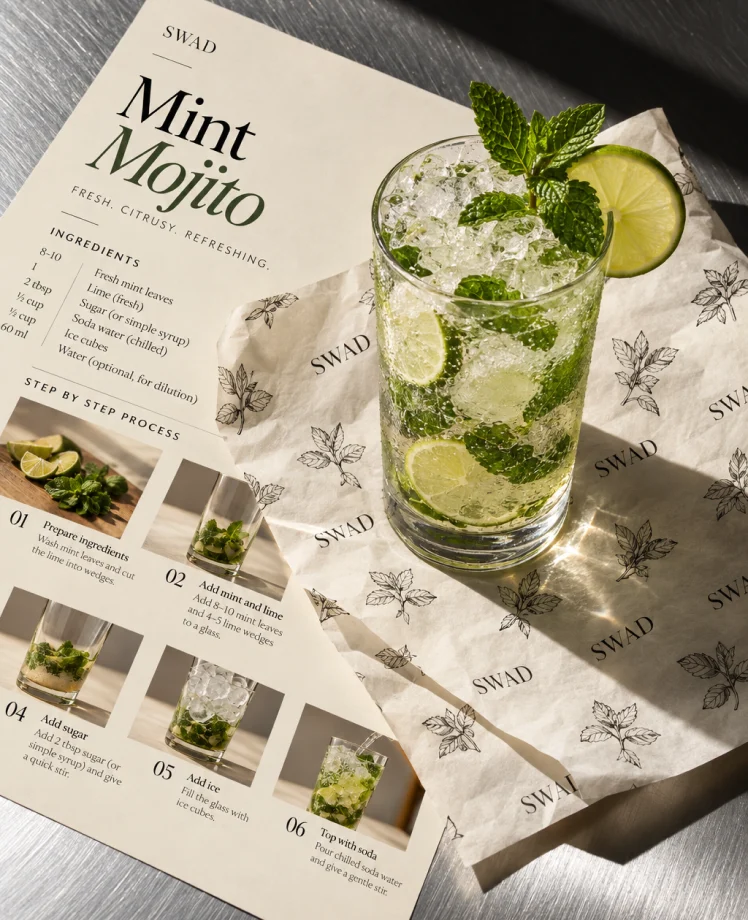
Fig. 7 In a café this size, the written procedure is the product.
A kitchen that doesn’t depend on one cook
In a café this size, the written procedure is the product. It decides whether the next customer gets the same plate as the last one.
Batch premixes
Everything that defines the flavour is made once, correctly, before service starts. Nobody makes judgment calls during the rush.
Printed procedures
Prep, cleaning, opening and closing are written down, so nothing depends on someone remembering.
The staff-swap test
If today’s cook leaves tomorrow, does the food change? Since the relaunch, the kitchen has changed hands three times, and the taste hasn’t moved.
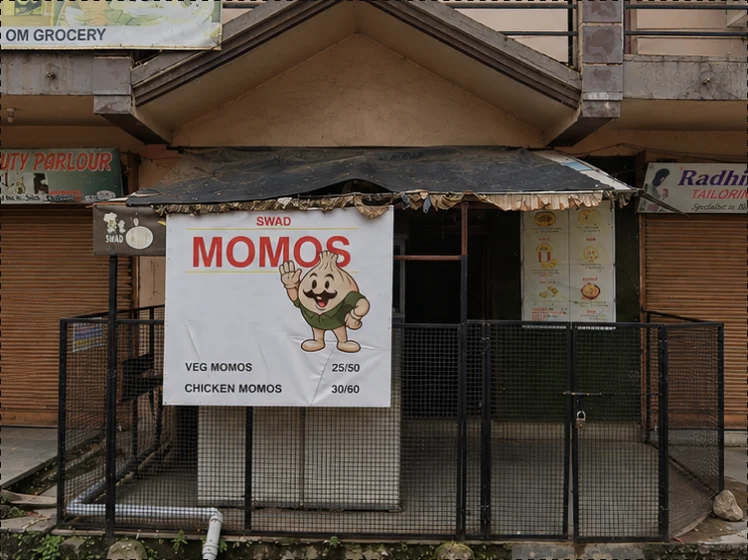
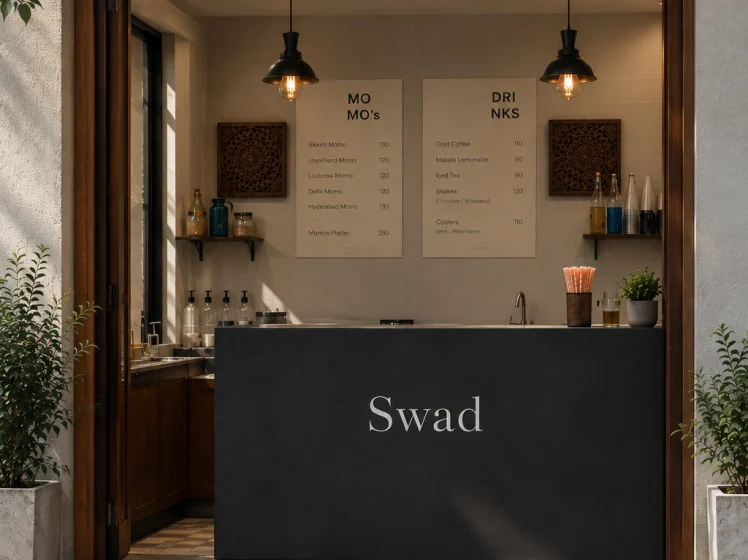
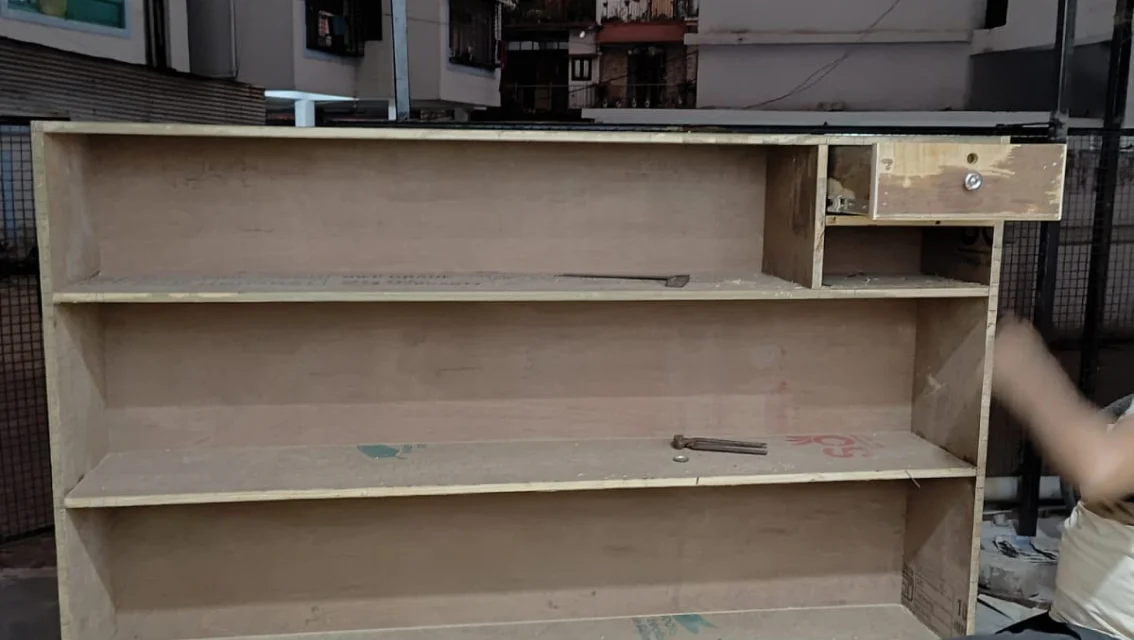
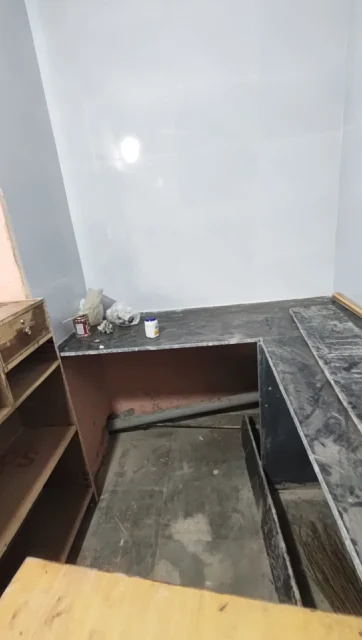
Fig. 8 The most expensive fix went last: interior and signage, once the food was worth walking in for.
07
What happened
Swad relaunched in May 2026 and has been profitable every month since. Against the targets:
METRIC
TARGET
RESULT
NOTE
80%
Beat
30-day repeat rate
50%
₹20,000
Beat, 2x
Monthly operating profit
₹10,000
In the first month
Missed
Walk-in to order conversion
60%
80%
Up from 5–10%. See below.
16%
Met
Food cost per plate
20% or less
Pass
Met
Same taste whoever cooks
Pass
Three staff changes, no change in taste
The number I missed
Conversion rose sixfold or more, but it fell short of my target, and I think the reason matters. Once the trust problem was fixed, price was the main thing still stopping people. Some walk-ins still compare Swad’s plate with the market’s and leave.
I chose not to chase them. Average order value doubled, and that is what turned the loss into a profit. Discounting to win back bargain hunters would have broken the food-cost guardrail and brought back the customer mix Swad had just moved away from.
A PLATE OF MOMOS
₹149
Swad
₹80
The market
AVERAGE ORDER VALUE
₹139
June 2026
₹67.50
December 2025
How I measured repeat visits
The 80% is an estimate, and I’d rather say so. Most regulars pre-order by phone, and on a lane where people know one another, the owners can tell a returning caller from a new one. I counted repeat callers against all callers. It’s directional, not precise.
IMAGE PLACEHOLDER
Swad on delivery apps
Swad’s new listing on Swiggy or Zomato, or the delivery packaging.
What’s next
I held delivery back on purpose. Food that’s inconsistent gets punished harder in app ratings than at the counter. Now that the kitchen holds steady through staff changes, Swad is launching on Swiggy and Zomato and starting to build a brand online.
IMAGE PLACEHOLDER
Regulars at Swad
A weekday evening after the relaunch: the counter, the new menu board, and people who come back.
Fig. 9 Swad today. Eight in ten customers come back within a month.
08
Looking back
WHAT I’D DO DIFFERENTLY
01
Measure from day one.
I’d log every order against a phone number or UPI handle from the first day. My repeat rate is a careful estimate. Tracked data would have made it a fact, and would have shown which fix moved which number.
02
Stagger the launch.
Shipping the hours and freshness fixes two weeks ahead of the new menu and interior would have shown how much reliability alone did for conversion. It was a free experiment, and I skipped it.
03
Go back to the 30.
I’d follow up with the people who said Swad didn’t have what they wanted and ask whether five styles of momo answered them. I believe it did, but I didn’t check.
WHAT IT TAUGHT ME
The product is everything the customer meets.
The storefront, the menu and the binder of procedures in the kitchen were one problem seen at three distances. If I’d fixed only what people could see, I’d have improved the first impression and left the real failure in place.
Deciding what you won’t be is a strategy.
The most valuable call in this project was what Swad would not offer: not variety, not discounts, and not delivery until the food was ready for it. Every no made consistency easier.
A constraint is a requirement.
The hiring market wasn’t a risk to note in a slide. It was a spec. Designing recipes that don’t need a skilled cook is why the results lasted beyond launch month.